

How Early Rejection, Hiding, and Shame Wire the Body — and How to Regulate It
Many gay men spend years trying to understand why they struggle with anxiety, people-pleasing, emotional overwhelm, hypervigilance, or difficulty feeling fully relaxed in relationships.
Often, these struggles are interpreted as personality flaws or emotional weakness.
But what many don’t realize is this:
A lot of these patterns are nervous system adaptations.
They are survival responses developed in environments where authenticity did not always feel safe.

The Nervous System Learns Through Experience
The nervous system is constantly scanning for safety and danger. From a very young age, the body begins learning:
- Is it safe to express myself?
- Is it safe to belong?
- Is it safe to be seen as I truly am?
For many gay men, the answer was complicated long before they consciously understood their sexuality.
Even in childhood, many experienced:
- Feeling “different” from peers
- Fear of being exposed or judged
- Bullying or exclusion
- Pressure to suppress natural expression
- Family, cultural, or religious messages that queerness was unacceptable
The body absorbs these experiences deeply.
Over time, the nervous system begins adapting around one core belief:
“It may not be fully safe to be myself.”
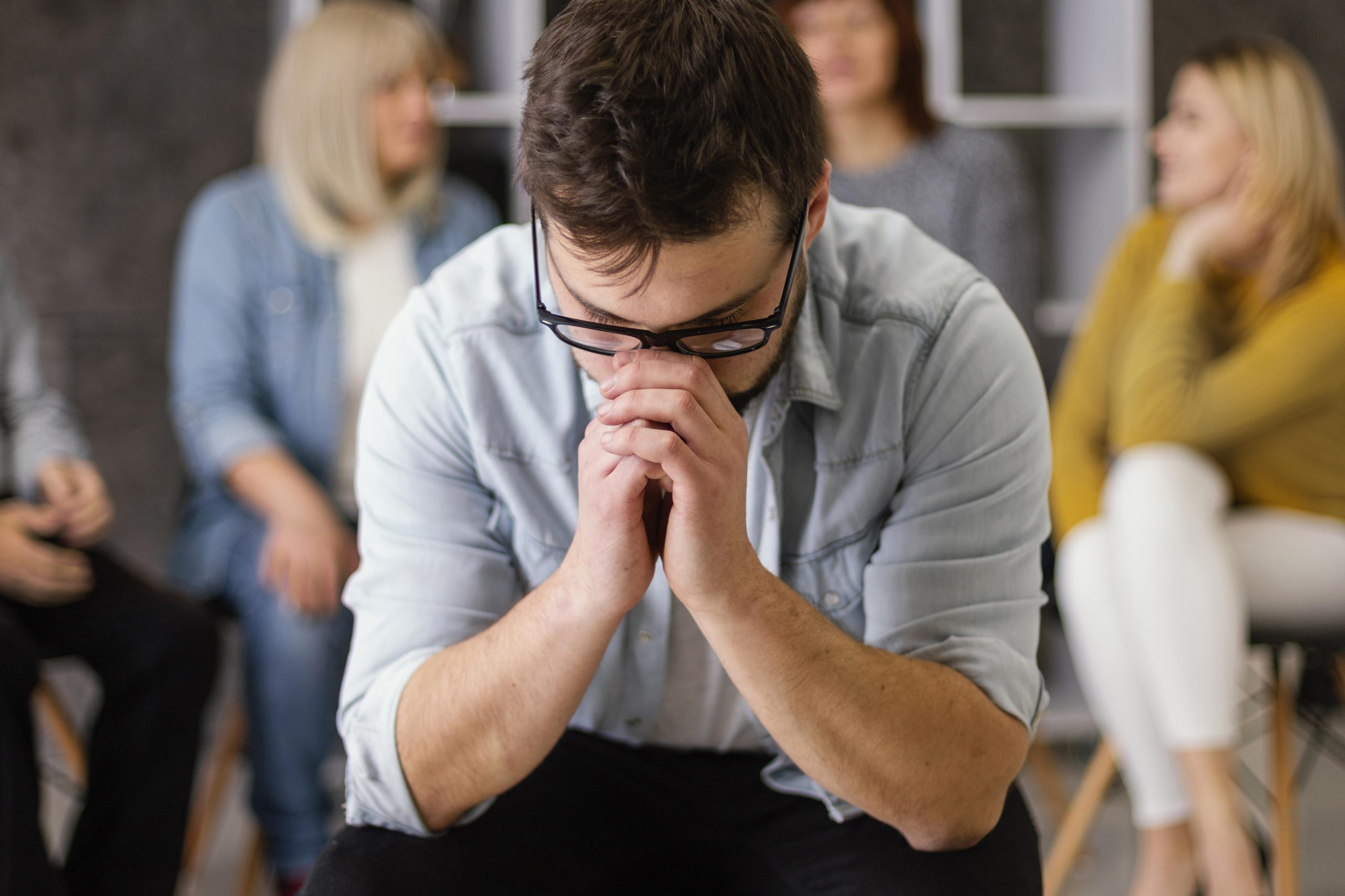
How the Body Adapts to Survive
When authenticity feels risky, the nervous system develops strategies to maintain connection and avoid rejection.
These adaptations are intelligent survival responses, not personal failures.
Many gay men develop patterns such as:
Hypervigilance
Constantly scanning social situations for signs of rejection, judgment, or exclusion.
You may notice yourself overanalyzing:
- Facial expressions
- Tone of voice
- Text messages
- Social interactions
The nervous system remains alert because belonging once felt uncertain.
People-Pleasing
If rejection feels threatening, pleasing others can become a way to maintain safety and connection.
This may look like:
- Avoiding conflict
- Prioritizing others’ needs
- Struggling to say no
- Adapting yourself to gain acceptance
Anxiety and Self-Monitoring
Many gay men become highly aware of how they are perceived.
This can create:
- Social anxiety
- Fear of embarrassment
- Perfectionism
- Difficulty relaxing around others
The body learns to stay “on” in order to avoid vulnerability or rejection.
Emotional Shutdown
For some, the nervous system copes by disconnecting from emotion altogether.
Vulnerability may feel unsafe, leading to:
- Emotional numbness
- Avoidance of intimacy
- Difficulty expressing needs
- Withdrawal during emotional closeness
These responses often continue long after the original threat has passed.

How These Patterns Show Up in Adult Relationships
Even as adults, many gay men carry nervous systems that still expect rejection or abandonment.
This can show up as:
- Fear of intimacy
- Anxious attachment
- Validation-seeking
- Difficulty trusting others
- Overreacting to perceived rejection
- Feeling emotionally unsafe in dating
The body may react to modern relationship experiences as though survival itself is threatened.
A delayed text message can activate panic.
Distance from a partner can trigger shame.
Conflict can feel catastrophic.
Not because you are “too sensitive,” but because your nervous system learned early that connection was tied to safety.
Why Healing Is More Than Mindset Work
Many people try to heal these patterns purely through logic:
- “I shouldn’t feel this way.”
- “I just need more confidence.”
- “I need to stop being anxious.”
But nervous system patterns cannot be healed through self-criticism.
The body needs new experiences of safety.
This is why healing is not just psychological, it is physiological.

How to Begin Regulating the Nervous System
Healing starts by creating more safety inside the body.
Not forcing yourself to become fearless.
Not bypassing your emotions.
But gently teaching your system that it is safer now than it once was.
Some helpful practices include:
Slowing Down and Grounding
When activated, begin reconnecting with the present moment.
This may include:
- Slow breathing
- Feeling your feet on the ground
- Noticing physical sensations
- Orienting to your environment
Grounding helps the body recognize that the current moment is different from past experiences.
Building Safe Relationships
The nervous system heals through safe connection.
Seek relationships where you feel:
- Accepted
- Emotionally safe
- Seen without needing to perform
- Respected in your boundaries and emotions
Consistent, safe relationships help rewire expectations around connection.
Practicing Authentic Expression
Healing also involves slowly reducing self-abandonment.
This means:
- Expressing your needs honestly
- Setting boundaries
- Allowing yourself to be visible
- Speaking authentically even when uncomfortable
Each experience of being yourself safely teaches the nervous system something new.
Increasing Capacity Gradually
Healing does not happen by overwhelming yourself.
It happens slowly, through tolerable experiences of vulnerability, connection, and self-expression.
The goal is not to eliminate discomfort entirely.
The goal is to increase your capacity to remain connected to yourself while discomfort arises.

Reclaiming Safety in Your Body
One of the deepest wounds many gay men carry is the belief that being fully themselves threatens connection and belonging.
Healing reverses this.
Over time, the nervous system begins learning:
- I can be visible and still safe.
- I can express myself and still belong.
- I no longer need to abandon myself to stay connected.
This is the foundation of secure attachment and authentic intimacy.
Final Thoughts
The struggles many gay men experience are not random.
They are often the result of nervous systems shaped by years of hiding, rejection, shame, and hypervigilance.
Your body adapted intelligently to environments that made authenticity feel dangerous.
But those patterns are not permanent.
Healing is possible when the nervous system is given consistent experiences of safety, authenticity, and connection.
The goal is not to become fearless.
It’s to create enough safety inside yourself that you no longer need to betray who you are in order to belong.
Lift your cheekbones,
Matt